
A first appointment should give you more than a procedure name or a quoted price: it should clarify the diagnosis, treatment choices, risks, recovery and who will provide your care. You will know what records to bring, which questions to ask and how to decide whether to proceed, seek a second opinion or obtain urgent assessment.
Key takeaways
- Bring medication lists, previous reports, allergies and details of past operations.
- Choose a plastic surgeon when reconstruction or an elective appearance-changing procedure is needed.
- Ask about diagnosis, alternatives, anaesthesia, facility support, recovery and complication management.
- Seek a second opinion before major surgery; get urgent care for severe bleeding or breathing trouble.
What happens during your first plastic surgery consultation?
Expect the first appointment to take more than a quick look at the area you want changed. During a plastic surgery consultation near Fursungi, Pune, the surgeon reviews your health, examines the concern, and decides whether an operation is appropriate. Distance from home does not determine suitability; your diagnosis, goals and risks do.
The surgeon will ask about:
- Previous operations, injuries, burns or cancer treatment
- Current medicines, supplements and allergies
- Smoking, nicotine use and alcohol
- Earlier anaesthesia problems or difficult recovery
- The change you want and the result you consider realistic
- Medical conditions that could affect healing
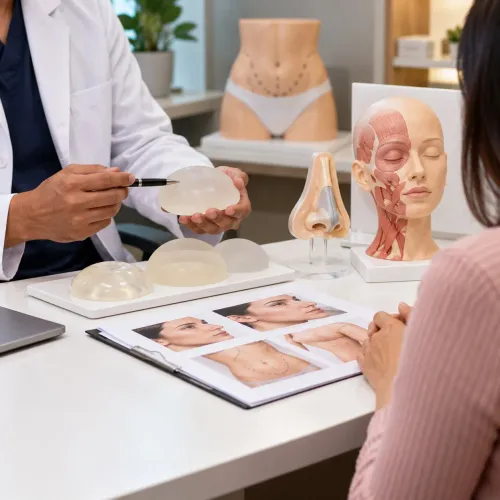
The examination can include measurements, photographs taken with your consent, scar assessment, skin quality checks and review of imaging or pathology reports. You should receive an explanation of the diagnosis, surgical and non-surgical options, likely benefit, limitations, scarring, recovery time, complications and the chance of further surgery.
Reconstructive cases may focus on restoring function or closing a wound; cosmetic cases focus on an elective change in appearance.
Bring your medicine list, discharge summaries, operation notes, scans, pathology reports, allergy details and written questions. Ask who will operate, who provides anaesthesia, where the procedure will occur and how follow-up works. Request a written estimate separating surgeon, anaesthesia, facility, implant, investigation, medicine and follow-up costs.
Do not feel pressured to decide or pay a deposit during the first visit; take time, involve a trusted companion and seek a second opinion for major elective surgery.
Do you need a plastic surgeon or another specialist?
You need a plastic surgeon when the goal involves repairing, reshaping or replacing skin, soft tissue, scars, hands or facial structures—not simply treating a skin disease. A plastic surgeon in Fursungi is relevant for burn or trauma repair, difficult wound closure, troublesome scars, congenital differences, hand problems, post-cancer reconstruction and elective changes to appearance.
| Concern or goal | More suitable specialist | Why |
|---|---|---|
| Acne, eczema, pigmentation or a suspicious skin lesion | Dermatologist | Diagnoses and treats skin disease without reconstructive surgery |
| Nasal blockage, sinus disease or hearing-related problems | ENT surgeon | Treats airway and ear, nose and throat conditions |
| Bone or joint fracture, tendon injury or arthritis | Orthopaedic surgeon | Manages the musculoskeletal problem |
| Jaw fracture, bite problem or complex facial-dental injury | Maxillofacial surgeon | Treats facial bones, jaws and associated dental structures |
| Scar revision, tissue loss, burn repair or appearance-focused reshaping | Plastic surgeon | Addresses skin, soft tissue, form and function |
A reconstructive consultation starts with the defect and its effect on function, healing and safety. The surgeon may assess blood supply, infection, nerve or tendon damage, cancer pathology, imaging and whether repair must be urgent, staged or coordinated with another specialty; insurance coverage can also differ.
A cosmetic consultation starts with your appearance goal, proportions and acceptable trade-offs. Both consultations require honest discussion of risks, recovery and limits, but neither promises an identical result to a photograph. Verify specialist training such as MCh or DNB in Plastic Surgery through the National Medical Commission register and the relevant state medical council.
What should you bring and disclose before the appointment?
Bring the last five years of relevant medical information, not only the report that supports your preferred procedure. Include previous operation notes, discharge summaries, pathology reports, scan or X-ray images with reports, photographs showing how a scar or condition has changed, and insurance documents. Keep digital copies if the originals are unavailable.
- Write every medicine, dose and timing, including aspirin, blood thinners, steroids, diabetes medicines, vitamins, herbal products and protein supplements.
- Record drug, latex, adhesive and antiseptic allergies, plus the reaction each caused.
- Note previous anaesthesia problems, difficult intubation, nausea after surgery, excessive bleeding or blood clots.
- Disclose diabetes, high blood pressure, heart or lung disease, sleep apnoea, kidney disease, bleeding disorders, pregnancy or plans for pregnancy.
- State your smoking, vaping, nicotine use and alcohol intake honestly; nicotine can impair wound healing.
- Bring a trusted companion and a written list of questions.
| Prepare | Tell the surgeon | Why it matters |
|---|---|---|
| Medicine list | What you take and why | Some medicines alter bleeding or anaesthesia |
| Previous procedures | Operations, injections, implants and complications | Old scars and techniques affect planning |
| Health history | Diagnoses, allergies and nicotine use | These change wound and recovery risks |
| Your expectations | Desired change, acceptable scar and recovery time | A realistic plan prevents unsuitable surgery |
Show reference photographs only to explain the feature you want changed. They cannot promise an identical result because anatomy, skin quality and healing differ. Ask for time to consider major elective surgery; you do not need to decide or pay a deposit during the consultation.
How do you assess the surgeon and plastic surgery hospital?
Verify the surgeon’s credentials before comparing prices. Look for specialist training in plastic, reconstructive and aesthetic surgery, such as an Indian MCh or DNB in Plastic Surgery, then check registration on the National Medical Commission register and the relevant state medical council. Confirm who will operate, not merely who conducts the consultation.
Ask these questions in writing:
- Who provides anaesthesia, and is the person an anaesthesiologist qualified to manage the planned procedure?
- Where exactly will surgery occur, and does that facility have monitoring, oxygen, suction, resuscitation equipment and a recovery area?
- Which investigations, blood products, intensive-care support or specialist referrals are available if the patient deteriorates?
- Who answers after-hours calls, where will you go for bleeding or breathing trouble, and who remains responsible after discharge?
| Surgeon or facility | What to verify | Warning sign |
|---|---|---|
| Specialist surgeon | MCh or DNB in Plastic Surgery; registration with NMC and the state medical council | “Cosmetic specialist” with no named surgical qualification |
| Anaesthesia | Named anaesthesiologist, pre-anaesthesia assessment and continuous monitoring | Anaesthesia treated as an unnamed add-on |
| Operating facility | Accredited operating theatre, sterile protocols, recovery monitoring and emergency equipment | Surgery arranged in an unclear clinic room |
| Emergency cover | Written escalation route, hospital contact and access to higher-level care | “Go to the emergency department” with no instructions |
A plastic surgery hospital in Pune may offer imaging, laboratory testing or intensive care without providing every plastic procedure or keeping a plastic surgeon and anaesthetist on site at all hours.
Ask the same questions at Shivam Hospital M-08042754125: confirm the actual operating location and after-hours plan rather than inferring coverage from the hospital’s general services. Request an estimate separating surgeon, anaesthesia, theatre, implants, medicines, tests, garments, follow-up and complication costs.
Related product
 | Plastic surgery is a medical specialty concerned with the correction or restoration of form and function. View product → |
When should you book surgery, seek a second opinion or get urgent care?
Do not book an elective procedure until the consultation gives you a clear diagnosis, realistic benefit, alternatives, risks, recovery time and likely scarring. Ask for time to consider the recommendation; you do not need to pay a deposit during the appointment.
Use this decision sequence:
1. Book surgery when the proposed procedure matches your goal, your health assessment supports anaesthesia, and you understand the possibility of revision or further treatment. Confirm who will operate, who provides anaesthesia, where the operation will occur and how after-hours complications are managed.
2. Request a written estimate before paying. It should separate the surgeon’s fee, anaesthesia, operating-room or hospital charges, implants or grafts, medicines, investigations, garments, follow-up visits and treatment of complications. A low headline price can exclude several of these items.
3. Seek a second opinion before major elective surgery, an operation involving implants, or a recommendation you do not understand. Use searches such as “book plastic surgery consultation pune” to compare consultations, but compare the explanation and safety plan rather than proximity or price.
4. Agree on follow-up dates, wound-care instructions, warning signs and a contact number. Ask whether routine reviews, dressings and unexpected treatment are included in the estimate.
5. Seek urgent care for uncontrolled bleeding, breathing difficulty, fainting, chest pain, rapidly increasing swelling, severe pain, fever with spreading redness, or wound separation. After surgery, contact the operating team immediately while arranging emergency assessment; do not wait for the next scheduled review.
Frequently asked questions
What happens during your first plastic surgery consultation?
The surgeon reviews your medical history, examines the concern, discusses your goals and explains whether surgery, another treatment or no operation is appropriate.
Do you need a plastic surgeon or another specialist?
A plastic surgeon is appropriate for reconstructive or appearance-changing procedures. Another specialist may need to assess the underlying condition first when the concern involves a separate medical problem.
What should you bring and disclose before the appointment?
Bring previous scans, test reports, operation records and a complete list of medicines and allergies. Disclose smoking, alcohol use, pregnancy, chronic illness, bleeding problems and earlier anaesthesia reactions.
How do you assess the surgeon and plastic surgery hospital?
Ask about the surgeon’s training and experience with your procedure, the proposed technique, anaesthesia, recovery, complication management and the hospital’s emergency, intensive-care and diagnostic support.
When should you book surgery, seek a second opinion or get urgent care?
Book only after you understand the diagnosis, alternatives, risks, recovery and costs. Seek a second opinion for major surgery or unresolved concerns. Get urgent care for uncontrolled bleeding, severe breathing difficulty, chest pain or rapidly worsening swelling.
Keywords