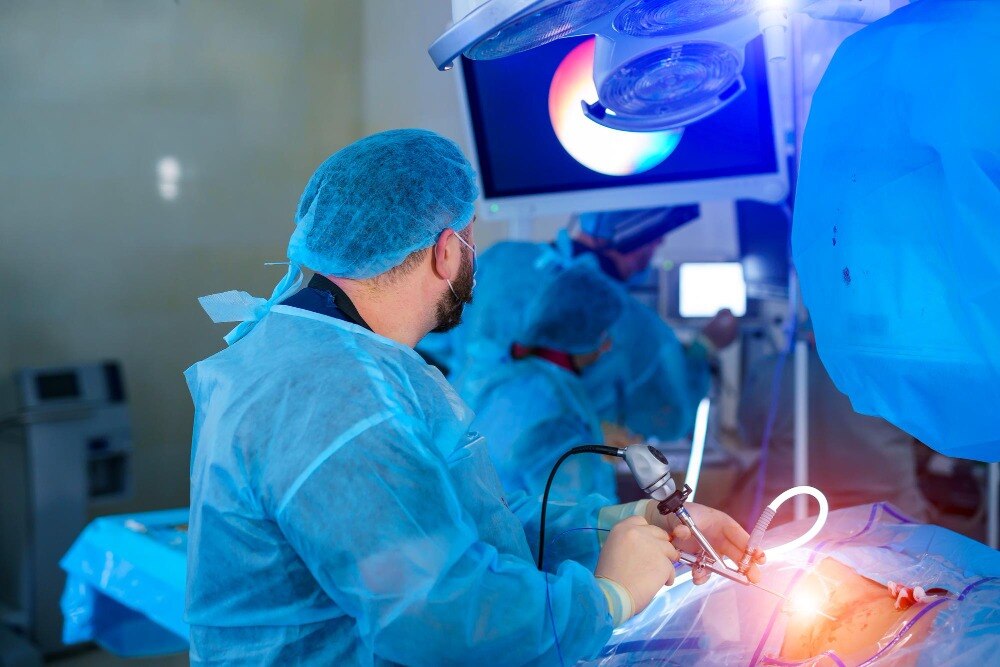
A crushed hand, amputated finger, cancer-related tissue loss or a wound with exposed bone can threaten both tissue survival and future function. By the end, you will know what microsurgery can restore, when timing and medical fitness affect eligibility, what hospital support to verify and which risks to discuss before choosing treatment.
Key takeaways
- Ask how quickly emergency microsurgical assessment is available.
- Confirm the surgeon’s experience with your specific injury or reconstruction.
- Expect wound monitoring, restricted activity and follow-up after surgery.
- Discuss tissue survival, sensation, movement and limb-length limitations upfront.
What microvascular surgery can restore
A successful microvascular reconstruction can restore more than appearance: it can bring living blood supply to damaged tissue and preserve useful movement, sensation or limb length. Using an operating microscope or high-magnification loupes, the surgical team joins tiny structures with fine sutures so transferred tissue or a traumatically injured part can survive.
The practical benefits may include:
- Restoring blood flow to threatened skin, muscle, bone or a finger after a crush injury or amputation.
- Covering exposed bone, tendon, joints or implants with a free flap taken from another part of your body.
- Reconnecting nerves to improve sensation and support muscle control during rehabilitation.
- Repairing tendons and soft tissue so the hand, foot or limb can move more effectively.
- Preserving a shorter but functional finger or limb when reconstruction offers a better result than immediate amputation.
- Rebuilding tissue lost after tumour removal, a severe wound or a diabetic or vascular complication.
For patients weighing microvascular surgery benefits in fursungi, the likely gain depends on tissue viability, circulation, infection, nerve damage and the amount of rehabilitation required. Microsurgery is not automatically the best option: a reconstruction that survives but produces stiffness, pain or poor function may be less useful than another treatment.
Ask the surgeon which function the operation aims to restore and how success will be measured.
When microsurgery is appropriate—and when time matters
An amputated finger, severed artery or limb with failing circulation needs emergency triage, not a routine appointment. Call local emergency services and seek immediate specialist assessment; delay can make replantation or vessel repair impossible.
Surgeons choose the method after examining:
- Tissue viability, blood flow, contamination, crush damage and the level of amputation.
- Nerve, tendon, bone and skin loss, plus infection or exposed hardware.
- Diabetes, smoking, peripheral vascular disease, clotting problems and anaesthetic fitness.
- Whether you can manage immobilisation, repeated monitoring and months of rehabilitation.
For a non-emergency microvascular surgery consultation near fursungi, ask whether the surgeon personally performs the relevant operation, how often the team handles free flaps or replantations, and where flap monitoring and emergency revision occur. A search for “micro vascular surgeon Pune” does not prove practical capability.
| Option | What it means | When it applies |
|---|---|---|
| Replantation | Reattaching a severed finger, hand or limb and reconnecting arteries, veins, nerves and other structures | A clean or suitable amputation reaches care quickly, with viable tissue and a realistic functional benefit |
| Free flap | Transferring tissue with its artery and vein, then joining them to vessels at the defect | Cancer removal, crush wounds or exposed bone, tendon or hardware leave inadequate local tissue |
| Another reconstruction | Local flap, skin graft, staged repair or amputation followed by rehabilitation | Damage, infection, health risks or expected function make microsurgery unsafe or less useful than a simpler result |
What to check in a Fursungi hospital and surgical team
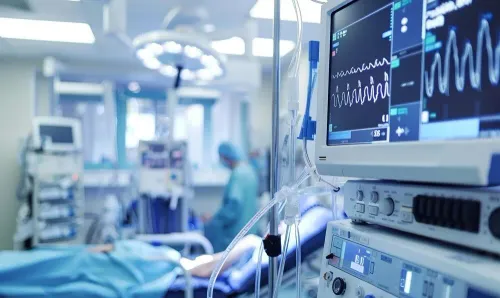
A successful operation can still fail if the hospital cannot detect a blocked vessel quickly or return you to theatre. Compare the whole pathway, not just the surgeon’s title or a search result for “micro vascular surgeon Pune.”
| Factor | Ask for | Why it matters |
|---|---|---|
| Surgeon | Does the named surgeon personally perform this free flap, replantation or nerve repair? | Referral-only involvement does not show practical experience. |
| Case volume | How many comparable procedures has the team completed recently? | Free flaps and replantations require different technical experience. |
| Monitoring | Where will staff check colour, temperature, capillary refill and Doppler signals after surgery? | Early detection gives the best chance of flap salvage. |
| Emergency response | Who operates if blood flow fails, and how quickly is the operating room available? | Delay can permanently damage transplanted tissue. |
| Recovery support | Is hand therapy, physiotherapy and wound care available through the hospital or a named referral? | Reconstruction must be protected and retrained after surgery. |
Ask to see the surgeon’s registration, reconstructive training and documented outcomes for an operation like yours. A search phrase does not prove either qualification or hospital capability.
For a consultation, ask Shivam Hospital M-08042754125 to identify the operating surgeon, postoperative monitoring location and emergency transfer or revision plan. Choose a microvascular surgery hospital in Fursungi only after these answers are specific, written down and consistent with your injury.
Related product
 | Microsurgery is a general term for surgery requiring an operating microscope. View product → |
What recovery involves after the operation
During the first days after surgery, the hospital will monitor the repaired vessel or free flap closely because early treatment gives the best chance of saving compromised tissue. Staff may examine it repeatedly and use a handheld Doppler; a change in blood flow can require urgent review or a return to the operating room.
The monitoring checks include:
- Colour: pale, blue or unusually dark tissue can indicate poor circulation.
- Temperature: a cold flap or digit needs prompt assessment.
- Capillary refill: delayed colour return after gentle pressure can signal reduced blood flow.
- Doppler signal: a weaker or absent sound can indicate a vessel problem.
Immobilisation protects the join while blood vessels, nerves, tendons and bone begin to heal. A custom splint may hold the hand, finger or limb in a fixed position, and you must not remove or adjust it without instructions.
Keep the operated area positioned exactly as advised; pressure, bending or accidental knocks can obstruct blood flow or damage the repair.
Rehabilitation starts when the surgical team considers the repair stable. A therapist may guide gentle movement, strength work and daily-task training, increasing activity in stages rather than testing the repair yourself. Treatment can include physiotherapy, occupational therapy and scar management. Nerve recovery is slower than wound healing, so numbness or weakness can persist for months.
Some patients need a later tendon procedure, flap debulking or additional reconstruction. Expect follow-up appointments to assess circulation, wound healing, movement and sensation.
Risks, limitations and questions for your consultation
Consent should reflect your injury, circulation and health—not a generic success rate. Ask how smoking, diabetes, peripheral vascular disease, obesity, malnutrition or medicines affecting clotting and healing change your risk, and what can be improved before surgery. Vascular thrombosis, infection, wound breakdown, flap loss, nerve or tendon failure, anaesthetic complications and further surgery remain possible.
Ask the surgical team:
- What is the main goal: blood-flow restoration, tissue coverage, nerve continuity, limb length or useful movement?
- What function is realistic at three, six and twelve months, and which deficits may remain permanent?
- How likely are vessel blockage, reoperation, infection, donor-site problems or partial tissue loss in my case?
- If a free flap or replanted digit loses blood flow, how quickly will monitoring detect it, and is urgent return to theatre available?
- Would reconstruction or amputation give me better practical function after rehabilitation, and why?
- How long will immobilisation, hospital monitoring, physiotherapy and work restrictions last?
- Which medicines, smoking, glucose levels or nutritional problems must be addressed before surgery?
| Option | What to compare | Question to ask |
|---|---|---|
| Microsurgical reconstruction | Tissue survival, sensation, movement and rehabilitation burden | What result is realistic for my injury? |
| Replantation | Viability of the amputated part and later function | Is the part usable, or would another reconstruction work better? |
| Amputation with reconstruction or prosthesis | Healing time, control, pain and daily function | Which option offers the most useful result for me? |
Get the answers, expected failure plan and follow-up schedule in writing before signing consent.
Frequently asked questions
What can microvascular surgery restore?
It can restore blood supply to transferred tissue or an injured body part, helping preserve tissue survival, movement, sensation or limb length.
When is microvascular surgery appropriate?
It is considered when damaged tissue, nerves, blood vessels or limbs need precise reconstruction and simpler repair would not provide enough function or coverage.
What should you check before choosing a microvascular surgery hospital in Fursungi?
Ask about the surgeon’s microsurgical experience, emergency availability, operating microscope, anaesthesia support, intensive care, wound monitoring and follow-up arrangements.
What does recovery involve after microvascular surgery?
Recovery includes close monitoring of blood flow, wound care, prescribed medicines, activity restrictions, rehabilitation and follow-up to assess tissue survival and function.
Keywords