


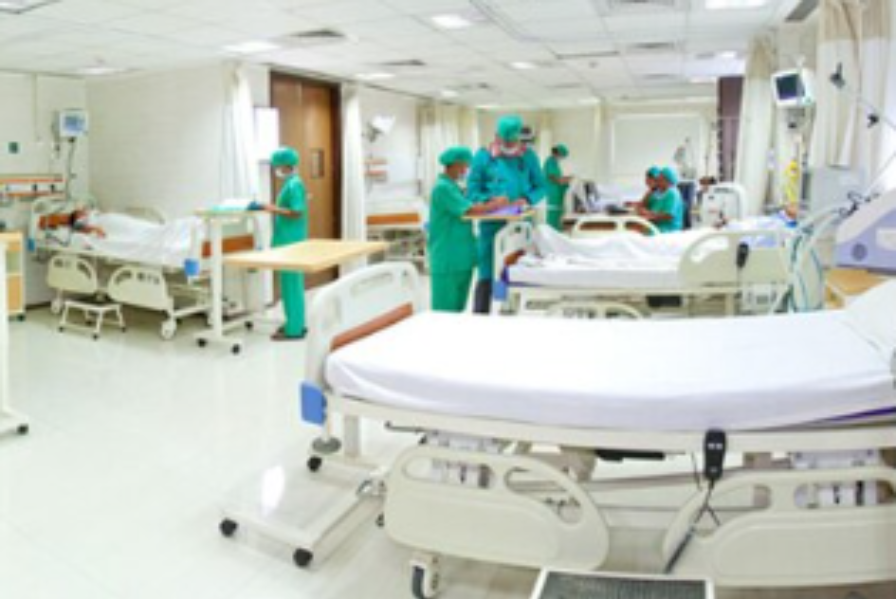
Health problems do not always fit neatly within one medical speciality. A patient may visit a doctor for persistent fatigue and later require laboratory tests, imaging, a specialist opinion or monitored hospital care. A multispeciality hospital brings these services together so that diagnosis and treatment can be coordinated more efficiently.
For families in Pune, Maharashtra, this integrated model can be especially useful when caring for children, adults, older relatives or patients living with more than one medical condition.
What Does Multi Speciality Care Include?
A multispeciality hospital provides access to doctors from different branches of medicine within a shared healthcare setting. Depending on the hospital’s facilities, patients may be able to receive:
- General medical consultations
- Surgical evaluation
- Orthopaedic treatment
- Women’s healthcare
- Urology services
- Neurology consultations
- Kidney-related care
- Emergency assessment
- Intensive care
- Laboratory testing
- Diagnostic imaging
- Endoscopic investigations
The main advantage is not simply the number of departments. It is the ability of those departments to work together when a patient’s condition requires more than one perspective.
For example, an older adult admitted after a fall may need emergency assessment, X-rays or CT imaging, an orthopaedic consultation, laboratory investigations and medical monitoring. Receiving these services within one hospital can reduce fragmented decision-making.
Why Coordination Matters
Many symptoms can have several possible causes. Abdominal pain may require evaluation by a physician, surgeon, gynaecologist or urologist, depending on the patient’s symptoms and test findings. Dizziness could be related to dehydration, blood pressure, medication, an ear problem or a neurological condition.
Coordinated care helps the treating team:
- Review a more complete medical history.
- Avoid unnecessary duplication of tests.
- Share important investigation results.
- Identify risks associated with existing illnesses.
- Prepare a treatment plan involving the appropriate specialists.
This approach is particularly valuable for patients with diabetes, hypertension, kidney disease, heart-related risks or a history of previous surgery.
The Role of Diagnostics
Clinical examination is the starting point of medical care, but doctors may need diagnostic evidence before confirming a condition. A hospital with laboratory and imaging support can help patients complete recommended investigations without travelling to several unrelated facilities.
Common investigations may include blood and urine tests, digital X-rays, ultrasound, CT scans or endoscopic procedures. The exact test depends on the symptoms and the doctor’s assessment.
A test result should not be interpreted in isolation. Doctors consider the patient’s symptoms, examination findings, medical history and medications before deciding what a result means.
Support During Unexpected Health Events
Emergency situations require a different level of readiness from routine outpatient care. Severe breathing difficulty, chest discomfort, loss of consciousness, uncontrolled bleeding, major injuries and sudden weakness need prompt medical assessment.
In such situations, proximity to emergency evaluation, diagnostic services, specialists and critical-care support can influence how quickly the next clinical step is taken. Patients should not delay emergency treatment while trying to determine the exact speciality they need.
Choosing Care for Different Family Members
Families often have varied healthcare requirements. A young adult may need treatment for a sports injury, while an older family member may require kidney monitoring or neurological evaluation. Women may need gynaecological care, and another relative may require surgery.
When assessing a multispeciality hospital, families can consider:
- Availability of relevant specialists
- Emergency and critical-care readiness
- Laboratory and imaging support
- Infection-control practices
- Clarity of communication
- Discharge and follow-up guidance
- Access to medical records
- Arrangements for specialist referrals
Shivam Multispeciality Hospital provides services across departments including medicine, general surgery, orthopaedics, obstetrics and gynaecology, urology, neurology, emergency care, intensive care, pathology and radiology. Its location on Pune Solapur Highway may offer practical access for patients from the eastern Pune region. Hospital services information
A multispeciality setting does not mean that every patient will need several doctors. It means that additional clinical support is available when the initial assessment indicates a need for it. For Pune families, that can make healthcare journeys more organised, particularly during complex illnesses or unexpected emergencies.