
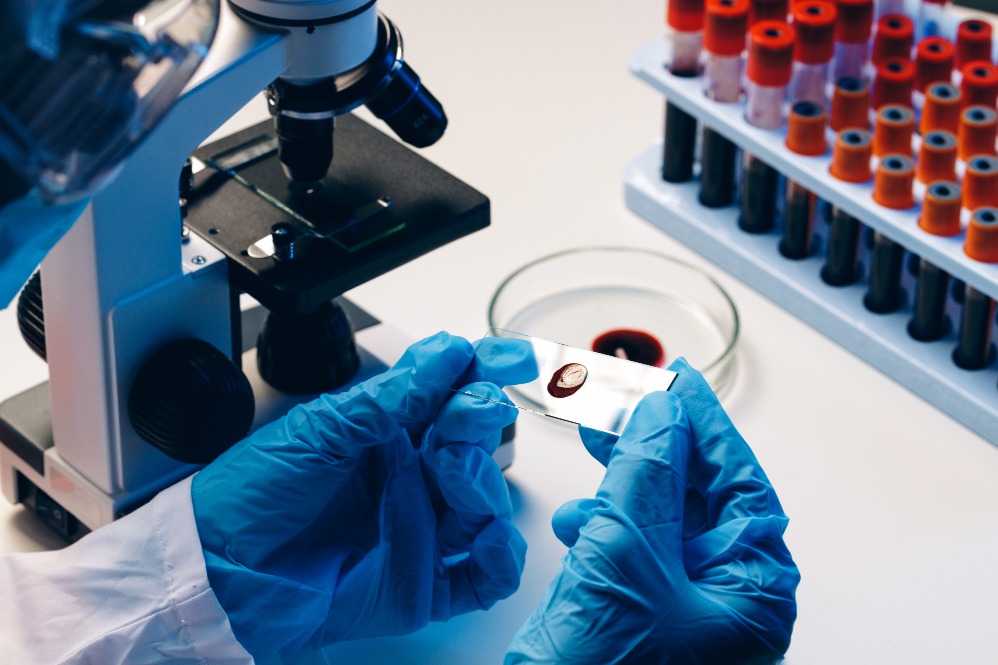
Blood tests and other laboratory investigations influence many everyday healthcare decisions. They may help screen for disease, investigate symptoms, monitor an existing condition, or assess response to treatment. When choosing Pathology Services in Kadamwak, patients should consider more than convenience or the size of a test package.
A useful pathology test is one that is clinically appropriate, collected correctly, processed under suitable procedures, and interpreted in the context of the patient's health.
Start With Why the Test Is Being Done
Laboratory investigations should have a purpose.
A doctor may recommend testing to investigate fatigue, fever, infection, anaemia, blood sugar changes, kidney or liver function, thyroid-related concerns, or another clinical issue.
Preventive health checks may also include selected tests according to age, medical history, risk factors, and existing conditions.
More tests do not necessarily produce better healthcare. Relevant testing is more valuable than an unnecessarily large panel.
Sample Collection Can Affect Results
The quality of laboratory testing begins before a sample reaches an analyser.
Depending on the test, factors such as fasting, timing, medication, exercise, hydration, or collection technique may affect results.
Patients should follow the preparation instructions provided for their particular investigation. If instructions are unclear, they should confirm whether fasting or another preparation step is actually required.
Look for Clear Reporting
A pathology report should make results understandable to the clinician reviewing them.
Reference ranges are useful, but patients should remember that a value slightly outside a printed range does not automatically establish a disease. Results need interpretation alongside symptoms, medical history, medications, age, and other findings.
Similarly, a result within a reference range does not always exclude every health problem.
Continuity Helps With Long-Term Monitoring
People managing diabetes, kidney disease, thyroid conditions, anaemia, or other chronic problems often undergo repeated testing.
Keeping earlier reports makes it easier for the treating doctor to identify trends rather than evaluating every result in isolation.
Where practical, maintaining organised digital or physical copies of reports can improve continuity across appointments.
Hospital-Based Testing Can Support Coordinated Care
One advantage of pathology services connected to a multispeciality hospital is the ability to integrate laboratory findings with clinical consultation where necessary.
An abnormal result may sometimes require review by a physician or specialist rather than simply repeating the test independently.
For patients around Kadamwak Wasti and neighbouring Pune communities, coordinated diagnostics can be particularly useful when laboratory testing forms part of ongoing treatment.
Shivam Multispeciality Hospital provides diagnostic support within its broader healthcare setting, allowing investigations to be considered alongside the patient's clinical requirements.
Know When a Report Needs Prompt Review
Some abnormal laboratory findings require faster medical assessment than others. The significance depends on the actual test, degree of abnormality, symptoms, and underlying medical conditions.
Patients experiencing serious symptoms should not wait for a routine health-check appointment simply because laboratory testing has already been performed.
Reliable pathology is not about collecting the maximum number of tests. It is about obtaining clinically useful information through appropriate sample collection and testing, followed by interpretation that considers the person rather than only the numbers printed on a report.
Keywords