


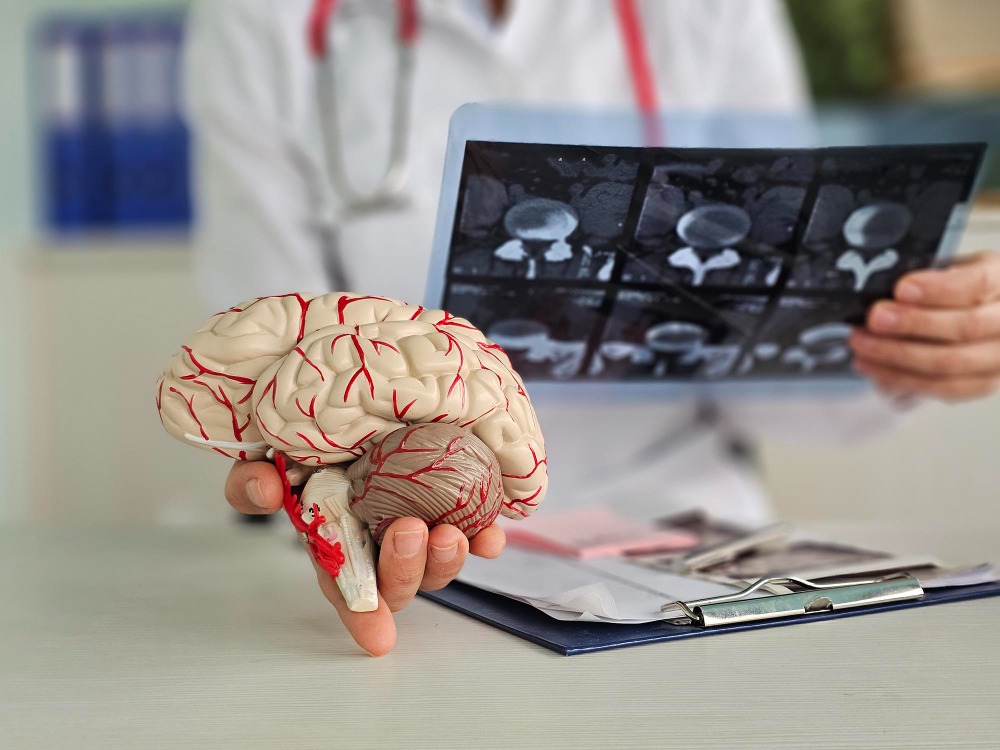
Neurological symptoms can range from headaches and dizziness to weakness, altered sensation, seizures, or problems with balance. Some develop gradually, while others appear suddenly. Knowing which symptoms require routine assessment and which may represent an emergency is important when considering a Neurology Hospital in Loni Kalbhor.
Neurology deals with conditions involving the brain, spinal cord, nerves, and related functions. Because this system influences movement, sensation, speech, memory, coordination, and many other abilities, neurological problems can appear in very different ways.
Symptoms That May Need Neurological Assessment
A consultation may be considered for symptoms such as:
- Recurring or changing headaches
- Unexplained numbness or tingling
- Persistent tremors
- Recurrent dizziness or balance problems
- Episodes of loss of consciousness
- Seizures
- Progressive weakness
- Unexplained changes in coordination
- Certain memory or cognitive concerns
- Persistent nerve-related pain
The presence of one of these symptoms does not automatically indicate a serious neurological disease. Proper evaluation helps establish what is actually causing it.
Sudden Symptoms Are Different
Certain neurological changes require emergency assessment rather than a scheduled outpatient consultation.
Sudden facial drooping, weakness or numbness on one side of the body, difficulty speaking, sudden confusion, abrupt loss of balance, or a sudden severe unusual headache can be warning signs requiring immediate medical attention.
Similarly, a first seizure, prolonged seizure, loss of consciousness, or neurological symptoms after a significant head injury should not simply be monitored at home.
Why Symptom History Matters
Neurological diagnosis often depends heavily on details.
A doctor may want to know exactly when a symptom began, how long it lasts, what happens immediately before and afterward, whether consciousness changes, and whether another person witnessed the episode.
For intermittent events, family members or caregivers may provide useful observations.
Existing conditions such as diabetes, hypertension, previous stroke, infection, or medication use may also influence evaluation.
Tests Should Answer Specific Questions
Neurological evaluation does not mean every patient requires extensive scanning.
Depending on clinical findings, investigations may include blood tests, CT imaging, MRI, nerve-related studies, or other tests. The choice depends on the suspected cause and urgency.
For residents of Loni Kalbhor and surrounding Pune areas, having access to hospital-based diagnostics can be especially useful when symptoms require timely investigation or coordination with other specialties.
Preparing for an Appointment
Bring previous brain or spine scans, laboratory reports, medication lists, discharge summaries, and details of earlier neurological treatment.
Write down the sequence of symptoms if episodes are difficult to remember during consultation. For headaches, noting frequency, duration, triggers, associated nausea, visual changes, and medication use can provide valuable context.
Shivam Multispeciality Hospital supports neurological assessment as part of its multispeciality care environment.
Neurological symptoms should be evaluated according to their pattern and urgency. Gradual recurring problems often need structured specialist assessment, while sudden loss of neurological function can require emergency action. Recognising that distinction is one of the most useful steps patients and families can take.