

Joint pain can affect walking, sleep, work and ordinary household activities. Although many people initially manage it with rest or pain-relief products, recurring pain may indicate arthritis, tendon injury, ligament damage, a fracture or another musculoskeletal condition.
People in Uruli Kanchan commonly experience orthopaedic problems related to falls, road accidents, repetitive work, sports activity and age-related joint changes. An accurate diagnosis is important because the same symptom can require very different treatment.
When Joint Pain Should Be Assessed
Mild soreness following unusual activity may improve with rest. Medical evaluation becomes more important when pain:
- Persists for several days
- Returns repeatedly
- Restricts movement
- Causes limping
- Follows a fall or accident
- Is accompanied by swelling
- Produces locking or instability
- Interrupts sleep
- Occurs with fever or redness
- Is associated with numbness or weakness
A visibly deformed limb, open injury, inability to bear weight or loss of sensation after an accident requires urgent assessment.
Diagnosis Comes Before Treatment
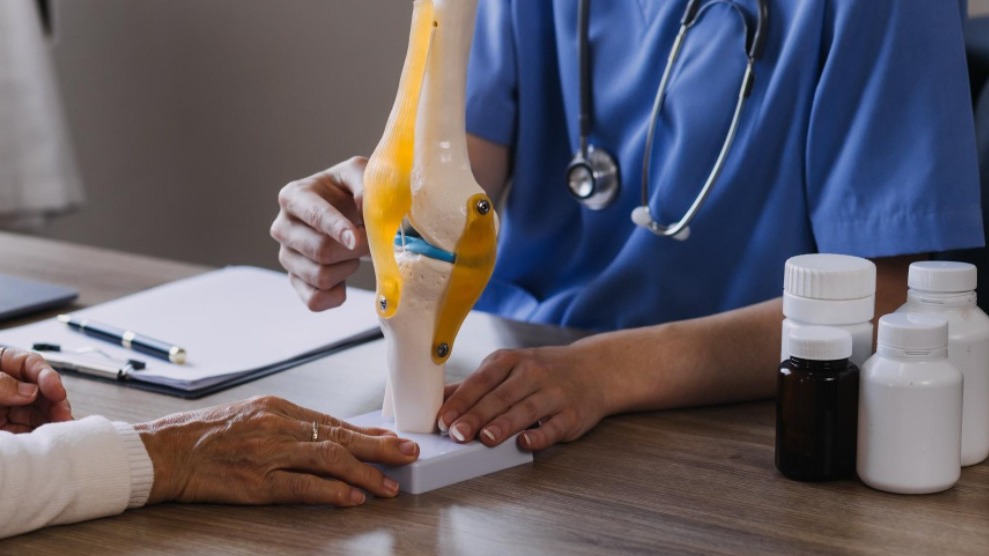
Orthopaedics treatment begins by identifying the affected structure and the reason for the problem. The doctor usually asks how the symptoms started, which movements worsen them and whether an injury occurred.
The examination may assess:
- Joint movement
- Swelling and tenderness
- Muscle strength
- Limb alignment
- Walking pattern
- Joint stability
- Nerve function
- Blood circulation
An X-ray may help identify fractures, dislocations or advanced joint changes. Ultrasound, CT or MRI may be considered for selected injuries, depending on the clinical findings. Not every patient needs advanced imaging.
Non-Surgical Treatment Options
Many orthopaedic conditions can initially be managed without surgery. Treatment may include activity modification, prescribed medication, supportive devices, physiotherapy and targeted exercises.
Physiotherapy can help improve movement, strength, balance and functional confidence. However, exercises should match the diagnosis. A programme suitable for mild knee arthritis may not be appropriate for a fresh ligament injury or an undiagnosed fracture.
Some patients may also be advised to modify footwear, reduce excess strain, improve workplace ergonomics or use a brace for a limited period.
When Surgery Enters the Discussion
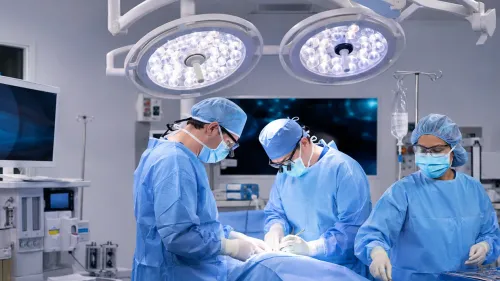
Surgery may be considered when an injury is unstable, a fracture cannot heal in an acceptable position, nerve function is threatened or persistent joint damage significantly limits daily life despite appropriate conservative care.
Depending on the condition, procedures may include:
- Fracture fixation
- Arthroscopy
- Ligament reconstruction
- Tendon repair
- Spine procedures
- Joint replacement
- Trauma reconstruction
The decision should consider symptom severity, imaging findings, overall health, functional goals and likely benefits and risks.
Joint replacement, for example, is not based solely on age or an X-ray. Doctors also consider pain, mobility, response to non-surgical treatment and the patient’s general fitness for surgery.
Avoiding Common Recovery Mistakes
Patients can unintentionally delay recovery by returning to strenuous activity too early or remaining completely inactive for too long. Other common mistakes include:
- Stopping prescribed treatment prematurely
- Performing exercises copied from unrelated online videos
- Ignoring increasing swelling
- Missing follow-up imaging
- Walking without advised support
- Applying forceful massage to a recent injury
- Assuming persistent pain is a normal part of ageing
Recovery plans often progress in stages. Following weight-bearing instructions is particularly important after fractures or major operations.
Selecting an Orthopaedic Facility
For residents of Uruli Kanchan, practical access matters when repeated consultations, imaging or rehabilitation are needed. Patients can look for a facility offering clinical evaluation, radiology, trauma support, surgical capability and follow-up planning.
Shivam Multispeciality Hospital lists orthopaedics, joint replacement, sports medicine, arthroscopy, spine surgery and trauma-related services. The hospital also lists digital X-ray and CT facilities that may support diagnosis when clinically recommended.
Effective orthopaedics treatment is not simply about reducing pain temporarily. Its broader purpose is to protect movement, restore function and help the patient return safely to daily activities.