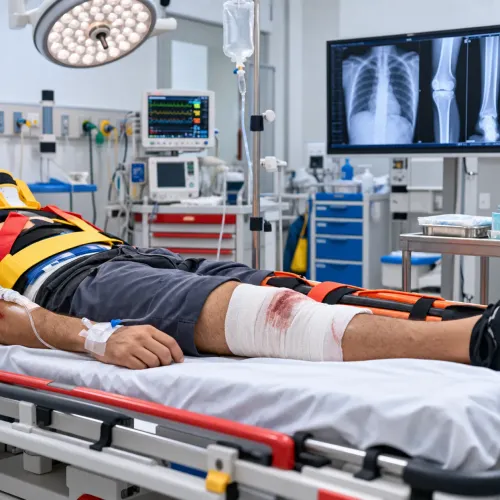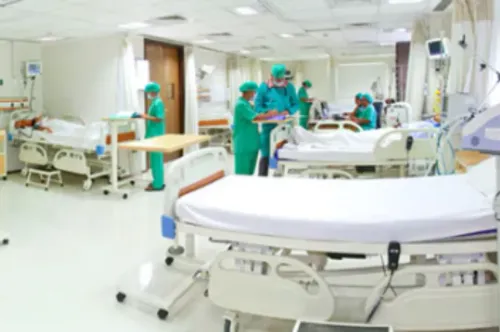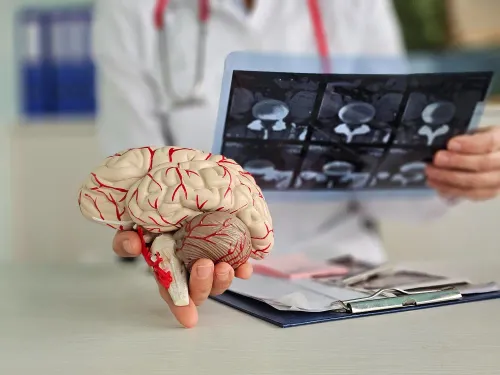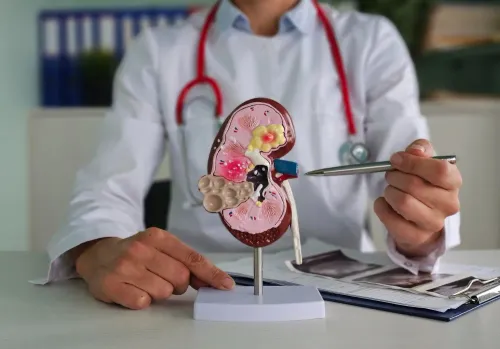
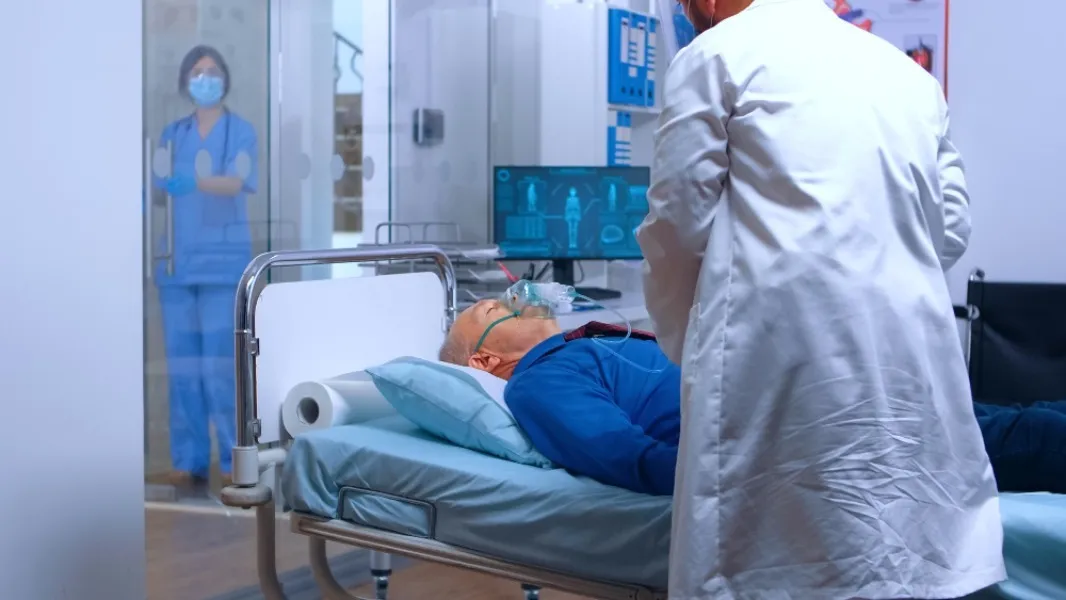
When a patient becomes critically ill, families often have to make decisions while under significant emotional pressure. Understanding the role of an intensive care unit can make conversations with the medical team clearer and help relatives ask practical questions.
ICU and critical care services are intended for patients who need continuous observation, organ support or treatment that cannot be safely provided in a regular hospital room. For families in Manjari, proximity to an appropriately equipped unit may be important during severe illness or after a major operation.
When ICU Admission May Be Needed
The need for intensive care is based on the patient’s condition and monitoring requirements. Common reasons can include:
- Severe breathing difficulty
- Very low blood pressure or shock
- Serious infection with organ dysfunction
- Reduced consciousness
- Major trauma
- Stroke requiring close monitoring
- Complications after surgery
- Severe heart-related instability
- Poisoning
- Multiple-organ dysfunction
Not every seriously ill patient needs mechanical ventilation. Some require close monitoring, oxygen therapy, medication delivered through intravenous pumps or frequent clinical reassessment.
What Happens Inside an ICU?
An ICU uses continuous monitoring to help the care team observe changes in heart rate, oxygen level, blood pressure and other important parameters. Depending on the patient’s needs, treatment may involve:
- Oxygen or ventilatory support
- Intravenous fluids
- Blood-pressure-supporting medicines
- Antibiotics
- Nutrition support
- Dialysis
- Pain relief and sedation
- Frequent laboratory investigations
- Imaging or bedside procedures
Machines provide information and support, but critical-care decisions are based on repeated clinical assessment by trained professionals.
Questions Families Can Ask
Clear communication is an important part of intensive care. Relatives can ask:
- What is the main diagnosis or working diagnosis?
- Which organs currently need support?
- What treatment is being given today?
- What changes would indicate improvement?
- What are the immediate risks?
- Are additional specialists involved?
- How will the family receive updates?
- What decisions may be needed next?
Medical conditions can change rapidly, so the treatment plan may evolve. A responsible team should explain uncertainty honestly rather than giving unrealistic guarantees.
Readiness Indicators in a Critical-Care Facility
When circumstances allow evaluation, families may consider whether the hospital has:
- Continuous patient monitoring
- Ventilator support
- Trained medical and nursing staff
- Emergency-response capability
- Laboratory access
- Portable or rapid imaging support
- Operation theatre access
- Infection-control protocols
- Specialist consultation pathways
- Safe transfer arrangements when higher-level care is required
The availability of equipment matters, but staffing, clinical protocols and escalation processes are equally important.
Understanding Infection Prevention
Critically ill patients are vulnerable to infection because of illness, invasive lines, catheters or prolonged hospitalisation. Families can support infection prevention by following hand-hygiene instructions, respecting visitor limitations and avoiding unnecessary contact with medical equipment.
Relatives who have fever, cough, diarrhoea or another contagious illness should inform staff before visiting.
Planning Beyond the ICU
Leaving intensive care is an important step, but recovery may continue for weeks or months. Some patients experience weakness, reduced appetite, sleep disturbance or emotional changes after serious illness.
Discharge planning may involve:
- Transfer to a regular ward
- Physiotherapy
- Nutritional support
- Medication review
- Wound or device care
- Specialist follow-up
- Home-care instructions
- Warning signs requiring reassessment
Shivam Multispeciality Hospital lists ICU, accident and emergency, ventilator support, cardiac monitoring, portable X-ray and specialist departments among its services. Its published information states that accident and emergency care is available continuously.
For Manjari families, selecting critical care should focus on clinical readiness, transparent communication and the ability to coordinate investigations and specialist support. In a life-threatening situation, however, patients should be taken to the nearest capable emergency facility without delay.
Keywords