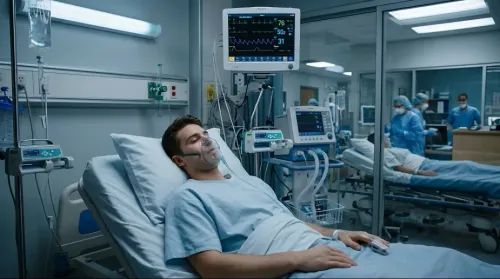


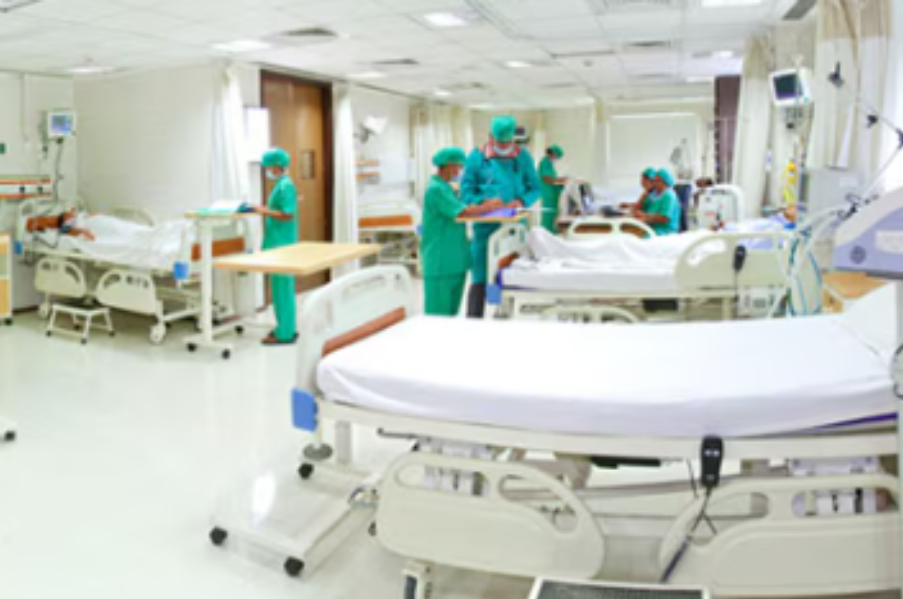
A critical illness can develop unexpectedly and leave families making important decisions under pressure. Severe breathing difficulty, major infection, altered consciousness, circulatory instability, or complications involving vital organs may require advanced hospital management. When assessing a Critical Care Hospital in Fursungi, families should focus on the hospital's ability to evaluate, stabilise, monitor, and coordinate care for the patient's specific condition.
Critical care differs from routine hospitalisation because the patient's health may be unstable and require frequent reassessment.
Stabilisation Comes First
During a serious medical emergency, the first priority is not completing every possible investigation. It is identifying immediate threats to life and beginning appropriate stabilisation.
Depending on the condition, this can involve assessment of:
- Airway
- Breathing
- Circulation
- Level of consciousness
- Oxygen levels
- Blood pressure
- Heart rhythm
- Signs of severe infection or organ dysfunction
Once immediate risks are addressed, further investigation can help clarify the cause.
Critical Care Is a Team Process
A seriously ill patient may require input from multiple clinical disciplines.
Someone admitted with severe infection, for instance, may develop respiratory, cardiovascular, or kidney complications. A trauma patient can have injuries involving several body systems.
For this reason, families evaluating critical care should consider how effectively different departments can collaborate when the patient's condition requires more than one specialist.
Diagnostics Can Influence Time-Sensitive Decisions
Laboratory and imaging investigations often play an important role in determining why a patient is deteriorating.
Depending on the clinical situation, doctors may need blood investigations, radiology, CT imaging, sonography, or other diagnostic support.
The appropriate investigation is determined by the patient's presentation. More testing is not automatically better; what matters is obtaining clinically useful information at the right time.
Ask Focused Questions
Families naturally want certainty, but critical illness can evolve unpredictably.
Useful questions include:
- What is the main problem currently being treated?
- Is the patient's condition stable, improving, or worsening?
- Which organs are affected?
- What support is currently required?
- What are the immediate treatment priorities?
- Are additional specialist opinions needed?
- What changes should the family expect to be informed about?
These questions can make medical updates easier to understand.
Location Can Matter in Emergencies
For residents of Fursungi and nearby areas of Pune, travel time becomes relevant when a patient requires urgent assessment.
However, proximity should be considered alongside the level of care required. A patient with a complex or unstable condition needs a facility capable of providing the necessary clinical support.
Shivam Multispeciality Hospital serves patients requiring different levels of hospital care within the Pune region. In critical cases, treatment decisions should always be guided by the patient's immediate medical needs and clinical findings.
Avoid Comparing Hospitals on One Feature Alone
Families may be tempted to compare hospitals solely by bed count, one piece of equipment, or general promotional claims.
Critical care is more complex. Appropriate monitoring, emergency response, diagnostic access, clinical expertise, multidisciplinary coordination, infection-control practices, and communication all contribute to the care environment.
When time permits evaluation, these are more meaningful questions to ask.
A critical care hospital should ultimately be assessed by whether it can provide the level of monitoring and treatment that the patient's current condition demands. In an emergency, obtaining timely medical evaluation and stabilisation remains the priority.