
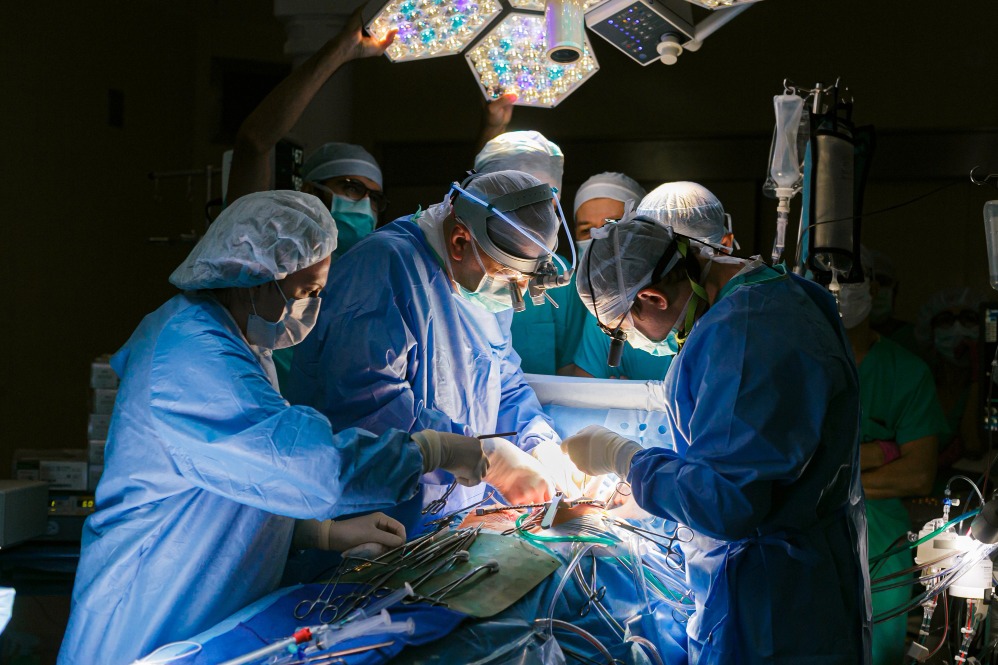
Being advised to consult a surgeon can create immediate concern, but a surgical consultation does not automatically mean an operation will be required. The first task is to establish the diagnosis, understand the available treatment options, and determine whether surgery is appropriate. When selecting a General Surgery Hospital in Pune, patients should therefore evaluate the complete surgical care pathway rather than focusing only on the procedure itself.
General surgeons assess and treat a range of conditions that may involve the abdomen, gastrointestinal system, gallbladder, hernias, soft tissues, and other surgical problems depending on their scope of practice.
Begin With a Clear Diagnosis
Before discussing an operation, patients should understand what condition has been identified and how confidently it has been diagnosed.
Depending on the problem, evaluation may include physical examination, blood tests, sonography, CT imaging, or other investigations.
Useful questions include:
- What is causing my symptoms?
- Is surgery necessary?
- Are non-surgical options appropriate?
- What happens if treatment is delayed?
- Is the procedure planned or urgent?
- What recovery should I expect?
A clear discussion helps patients make informed decisions.
Planned Surgery and Emergency Surgery Are Different
Elective surgery allows time for evaluation, preparation, medical optimisation, and discussion of alternatives.
Emergency surgical conditions may require much faster decisions. Severe abdominal pain, persistent vomiting, significant bleeding, worsening swelling with severe pain, or symptoms associated with systemic illness may require urgent hospital assessment.
The appropriate response depends on the diagnosis and the patient's overall condition.
Preoperative Assessment Matters
Before a planned operation, the surgical team may review existing illnesses, previous operations, medications, allergies, and relevant investigation results.
Conditions such as diabetes, hypertension, heart disease, respiratory illness, or kidney problems can influence surgical planning.
Patients should disclose all medicines they take, including blood-thinning medication and non-prescription products. They should not stop prescribed medication unless specifically instructed to do so by the treating team.
Ask About the Surgical Approach
Some conditions may be treated using open surgery, while selected cases may be suitable for minimally invasive approaches. The appropriate technique depends on the diagnosis, anatomy, previous surgery, clinical condition, and surgeon's assessment.
Rather than assuming one method is always superior, patients should ask why a particular approach is being recommended for their case.
Evaluate the Complete Hospital Setup
Surgery involves more than the surgeon.
Depending on the procedure, patients may need anaesthesia services, operating theatre support, pathology, imaging, postoperative monitoring, nursing care, pharmacy support, or intensive care backup.
This makes the broader hospital environment relevant when comparing providers.
Shivam Multispeciality Hospital provides surgical and multispeciality care for patients in Pune and surrounding areas of Maharashtra. Having multiple clinical services within a hospital can be useful when a surgical patient has associated medical conditions requiring coordinated evaluation.
Know What Recovery Involves
Before discharge, patients should understand wound care, diet where applicable, activity restrictions, medication instructions, follow-up timing, and warning signs.
Questions about returning to work, driving, exercise, lifting, bathing, and normal food intake should be discussed according to the particular operation.
Recovery is not identical for every patient, even after the same type of procedure.
Choosing a general surgery hospital should therefore involve more than asking where an operation can be performed. Look for clear diagnosis, appropriate investigation, understandable discussion of treatment choices, preoperative assessment, hospital support, and structured postoperative guidance.
The right surgical pathway begins with determining whether an operation is actually needed and, when it is, planning it around the patient's individual condition and overall health.
Keywords