

Urinary symptoms are often treated as minor inconveniences, particularly when they begin gradually. Burning urination, repeated night-time visits to the toilet, poor urine flow or blood in the urine may have several possible causes and should not be self-diagnosed.
For patients in Hadapsar, timely urology care can help identify infections, urinary stones, prostate conditions, bladder problems and other disorders affecting the urinary system.
Common Reasons for a Urology Consultation
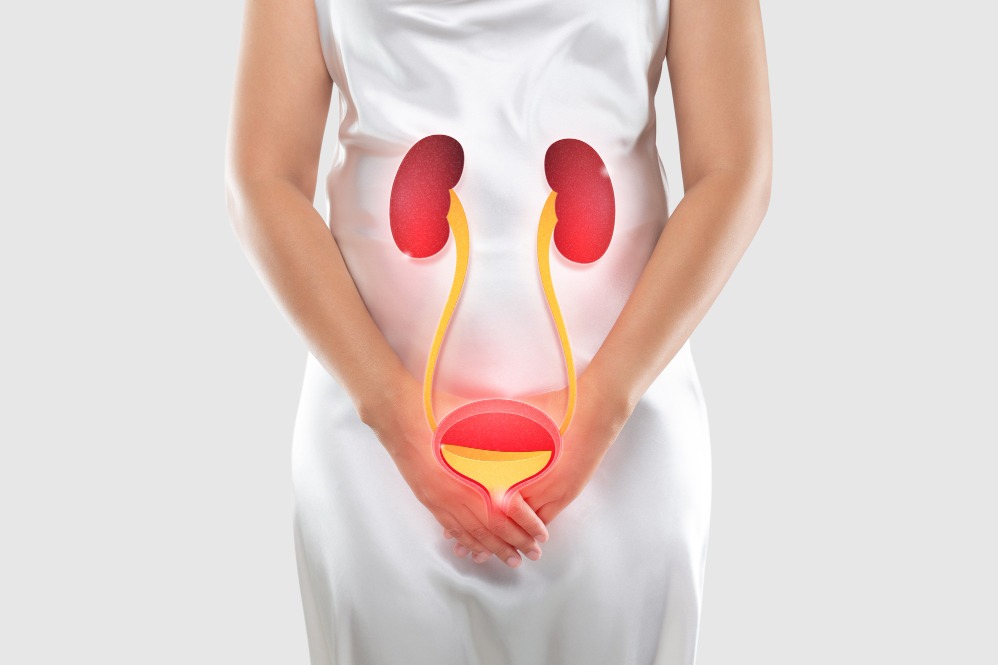
A urologist evaluates medical and surgical conditions involving the kidneys, ureters, bladder, urethra and male reproductive system. Common reasons for consultation include:
- Pain or burning while passing urine
- Recurrent urinary infections
- Difficulty starting urination
- Weak or interrupted urine flow
- Frequent urination
- Loss of bladder control
- Blood in urine
- Kidney or ureteric stones
- Prostate-related symptoms
- Scrotal pain or swelling
- Male fertility concerns
- Erectile or sexual health problems
Some urinary complaints can also overlap with gynaecological, neurological, kidney or metabolic conditions. Appropriate referral may therefore be part of the evaluation.
Symptoms That Require Urgent Attention
Patients should seek prompt care for severe side or back pain accompanied by vomiting, fever with urinary symptoms, inability to pass urine, visible blood clots or sudden testicular pain.
Fever and chills in someone with a suspected urinary obstruction can represent a serious infection. Such symptoms should not be managed solely with leftover antibiotics or painkillers.
What Happens During Evaluation?
The urologist will ask about the onset and pattern of symptoms, fluid intake, previous infections, stone history, medications and existing illnesses. Men may be asked about prostate or sexual health symptoms, while women may be asked about pregnancy, childbirth or pelvic health when relevant.
Investigations may include:
- Urine analysis or culture
- Blood tests
- Ultrasound
- CT imaging
- Urinary-flow assessment
- Bladder-emptying measurement
- Cystoscopy in selected cases
Not every patient needs every test. Investigations should be selected according to the suspected condition.
Understanding Urinary Stone Treatment
Small urinary stones may sometimes pass naturally with medical supervision, hydration guidance and symptom control. Larger stones, obstruction, uncontrolled pain or infection may require a procedure.
Treatment options vary according to stone size, position, density and the patient’s clinical condition. They may include endoscopic removal, laser fragmentation, shock-wave treatment or another surgical approach.
Patients should understand that simply treating the pain does not confirm that a stone has passed. Follow-up imaging may be advised.
Evaluating Prostate Symptoms
An enlarged prostate can cause weak flow, urgency, frequent night-time urination or incomplete bladder emptying. Similar symptoms may also occur with infection, medication effects, bladder disorders or neurological conditions.
Evaluation may include examination, urine testing, ultrasound and other tests where clinically appropriate. Treatment can involve observation, medication or surgery, depending on symptom severity and complications.
Avoid These Common Mistakes
Urinary conditions can worsen when patients:
- Take antibiotics without testing or prescription
- Reduce water intake excessively to avoid urination
- Ignore blood in the urine
- Delay care for recurrent infections
- Use herbal remedies without disclosing them
- Assume every back pain episode is a kidney stone
- Stop prostate medication without advice
Visible blood in urine requires assessment even if it disappears and even when there is no pain.
Assessing a Urology Provider
Patients from Hadapsar may benefit from choosing a facility with laboratory services, radiology, emergency support and access to procedure-related care. They should ask what investigations are needed, whether treatment is urgent and what follow-up will confirm recovery.
Shivam Multispeciality Hospital lists urology, endourology-related services, lithotripsy facilities, pathology and radiology support. Its public service information also includes care for urinary stones and prostate conditions.
Urology care is most effective when patients seek help early and share their complete medical history. Timely evaluation can prevent a manageable urinary problem from progressing to obstruction, recurrent infection or kidney complications.