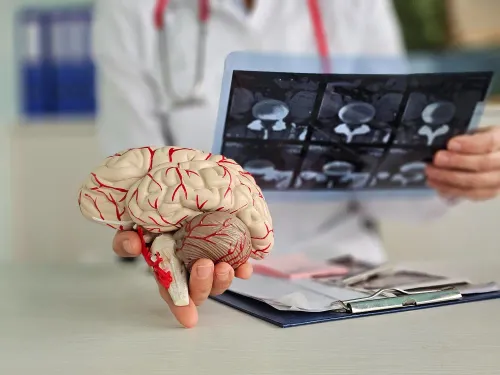

Headaches, dizziness, tingling and temporary weakness can arise from many conditions. Some causes are relatively minor, while others require urgent neurological assessment. The challenge for patients is knowing when a symptom should be monitored and when it must not be ignored.
For individuals in Shewalewadi, understanding basic warning signs can support faster and safer decisions, particularly when symptoms begin suddenly.
What Does a Neurology Department Treat?
Neurology focuses on conditions affecting the brain, spinal cord, nerves and muscles. A neurologist may assess patients with:
- Recurrent or unusual headaches
- Seizures
- Tremors
- Memory or cognitive changes
- Numbness and tingling
- Muscle weakness
- Balance difficulty
- Movement disorders
- Neuropathic pain
- Sleep-related neurological concerns
- Stroke symptoms
- Disorders affecting peripheral nerves
The same symptom can result from different causes. Tingling in a hand, for example, may relate to a compressed nerve, diabetes, vitamin deficiency, a neck problem or another neurological condition.
Recognising Possible Stroke
Stroke is a medical emergency. Warning signs often begin suddenly and may include facial drooping, weakness or numbness on one side, difficulty speaking, confusion, vision loss, severe imbalance or an unexplained intense headache.
A simple way to remember common signs is to check whether:
- The face appears uneven when smiling.
- One arm drifts downward when both are raised.
- Speech is slurred or difficult to understand.
- Emergency care is sought immediately.
Symptoms that disappear after a few minutes may still represent a transient ischaemic attack and require urgent assessment. Patients should not drive themselves or wait for a routine appointment.
When Headaches Need Medical Attention
Most headaches are not caused by a dangerous neurological condition. However, assessment is important when a headache:
- Starts suddenly and becomes severe within moments
- Follows a head injury
- Occurs with fever and neck stiffness
- Causes weakness, confusion or speech difficulty
- Begins during pregnancy or after delivery
- Is associated with repeated vomiting
- Changes significantly from the person’s usual pattern
- Progressively worsens
- Begins for the first time at an older age
A headache diary can help document timing, triggers, duration and associated symptoms, but it should not delay urgent care when warning signs are present.
Seizure Assessment
A seizure may involve body stiffening, jerking, loss of awareness, unusual sensations or brief episodes of staring. A first suspected seizure needs medical evaluation.
During a convulsive seizure, people nearby should protect the person from injury, place them on their side when possible and note the duration. Nothing should be placed in the mouth. Restraint should be avoided.
Emergency assistance is needed if the seizure lasts several minutes, repeats without recovery, occurs in water, causes injury or happens during pregnancy.
What Neurological Evaluation May Include
The doctor may assess mental status, speech, eye movements, reflexes, sensation, strength, coordination and walking. Depending on the findings, investigations might include blood tests, CT imaging, MRI, nerve studies or other specialised tests.
Imaging is not automatically necessary for every headache or episode of dizziness. Its value depends on the medical history and examination.
Preparing for the Appointment
Patients can help the neurologist by bringing:
- A list of current medicines
- Previous scans and laboratory reports
- Details of symptom timing
- Videos of tremors or unusual episodes when safely recorded
- Information about diabetes, blood pressure or previous stroke
- A relative who witnessed an episode
Shivam Multispeciality Hospital includes neurology among its listed departments and provides supporting pathology, radiology, emergency and ICU services.
For Shewalewadi residents, the central message is straightforward: neurological symptoms should be evaluated according to their onset, pattern and associated warning signs. Sudden weakness, speech changes, seizures or altered consciousness require emergency care rather than a scheduled consultation.
Keywords