
A laboratory report can influence diagnosis, medication changes, surgery planning and long-term disease monitoring. Yet patients often select a pathology laboratory based only on price or proximity.
For people in Theur, reliable pathology testing depends on more than collecting a sample. Correct patient identification, specimen handling, analytical quality and responsible reporting all affect the usefulness of the final result.
Why Pre-Test Instructions Matter
Some tests require fasting, timed collection or temporary adjustments directed by a clinician. Others can be performed without special preparation.
Before testing, patients should ask:
- Is fasting necessary?
- Can water be consumed?
- Should the sample be collected at a particular time?
- Should regular medicines be taken?
- Is a first-morning urine sample required?
- Are there special instructions for culture tests?
- How should a home-collected sample be stored?
Medicines should not be stopped unless the treating clinician specifically advises it.
Patient Identification Protects Accuracy
Before sample collection, staff should confirm at least two identifiers, such as the patient’s name and date of birth or registered number. The sample should be labelled correctly and linked to the appropriate test request.
Patients should check that the spelling, age and gender on the report are accurate. These details can affect reference ranges and clinical interpretation.
What Can Affect a Test Result?
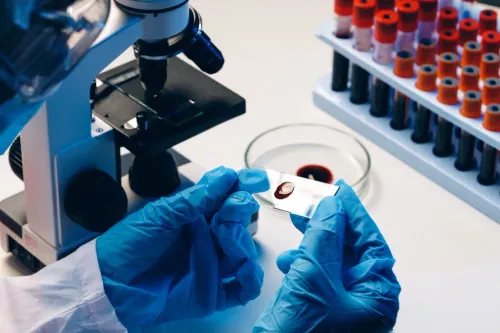
Laboratory values can change because of fasting status, hydration, exercise, stress, infection, pregnancy, medications and the time of collection. Sample quality can also be affected by delays, contamination or incorrect storage.
A result outside the reference range does not automatically prove disease. Similarly, a value within range does not exclude every medical problem.
Reports should be interpreted alongside symptoms, medical history and examination findings. Patients should avoid changing medication based solely on an online interpretation of one result.
Evaluating a Pathology Laboratory
When selecting a laboratory, patients can look for:
- Qualified laboratory oversight
- Clear sample-collection procedures
- Proper patient identification
- Hygienic collection areas
- Safe handling of needles and biological waste
- Internal quality-control practices
- Appropriate referral arrangements for specialised tests
- Secure reporting
- Stated turnaround times
- A process for communicating critical results
The lowest-priced package may not always contain tests appropriate for the patient. Broad screening panels can produce incidental abnormalities that require unnecessary anxiety or further testing.
Understanding Turnaround Time
Routine blood counts, blood glucose or urine tests may be available relatively quickly, while cultures, histopathology and specialised tests take longer because they require additional processing.
Patients should ask when the result is expected and how urgent findings will be communicated. A responsible laboratory should not compromise the testing process merely to promise an unrealistic delivery time.
Home Collection Considerations
Home sample collection can help older adults, people with mobility limitations and patients requiring repeated monitoring. Before arranging it, confirm:
- Which tests are suitable for home collection
- The collector’s identification
- Sample transport conditions
- Payment and receipt arrangements
- Expected reporting time
- How reports will be delivered securely
Some tests are better performed at a hospital or laboratory because immediate processing is needed.
When Hospital-Based Testing Is Helpful
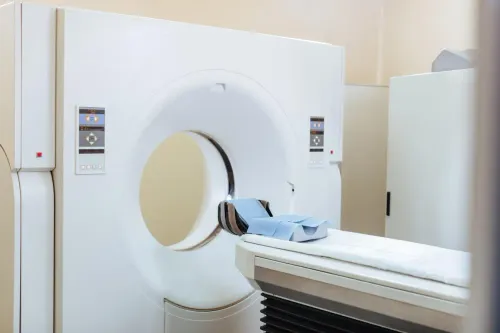
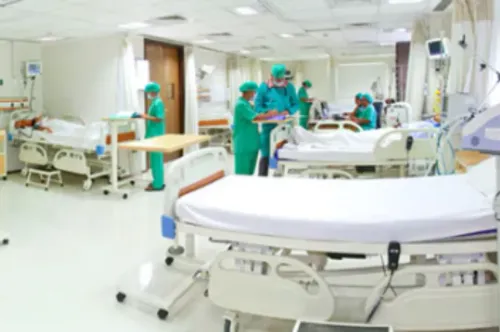
A hospital-linked pathology laboratory can be useful when a patient is also undergoing consultation, emergency evaluation, surgery or inpatient treatment. Clinicians may be able to review results promptly and relate them to imaging or other findings.
Shivam Multispeciality Hospital lists pathology tests for blood, urine, sputum and other clinical samples, along with radiology, emergency and specialist services.
For patients in Theur, the right pathology laboratory is one that prioritises correct collection, dependable processing and clinically useful reporting. Testing should support a medical decision not simply produce a collection of numbers.
Keywords