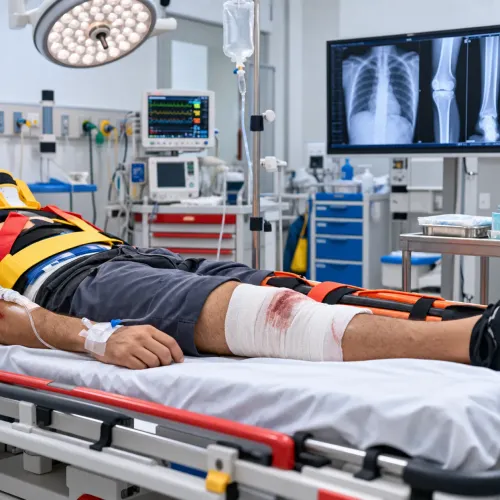
Road accidents, falls, workplace incidents and serious sports injuries can affect several parts of the body at once. A person who appears alert after an accident may still have internal bleeding, a head injury or an unstable fracture.
A trauma care hospital must be prepared to assess the entire patient rather than focusing only on the most visible injury. This is particularly relevant for families in Kadamwak Wasti, where access to the Pune Solapur Highway may expose residents and commuters to road-related emergencies.
Signs That Need Immediate Emergency Care
Emergency evaluation is necessary after an injury when the patient has:
- Loss of consciousness
- Confusion or unusual drowsiness
- Breathing difficulty
- Severe or uncontrolled bleeding
- Neck or back pain with weakness
- A visibly deformed limb
- Severe abdominal or chest pain
- Repeated vomiting
- Seizures
- Fluid or blood from the nose or ears
- Inability to move or feel a limb
- Worsening symptoms after an apparently minor head injury
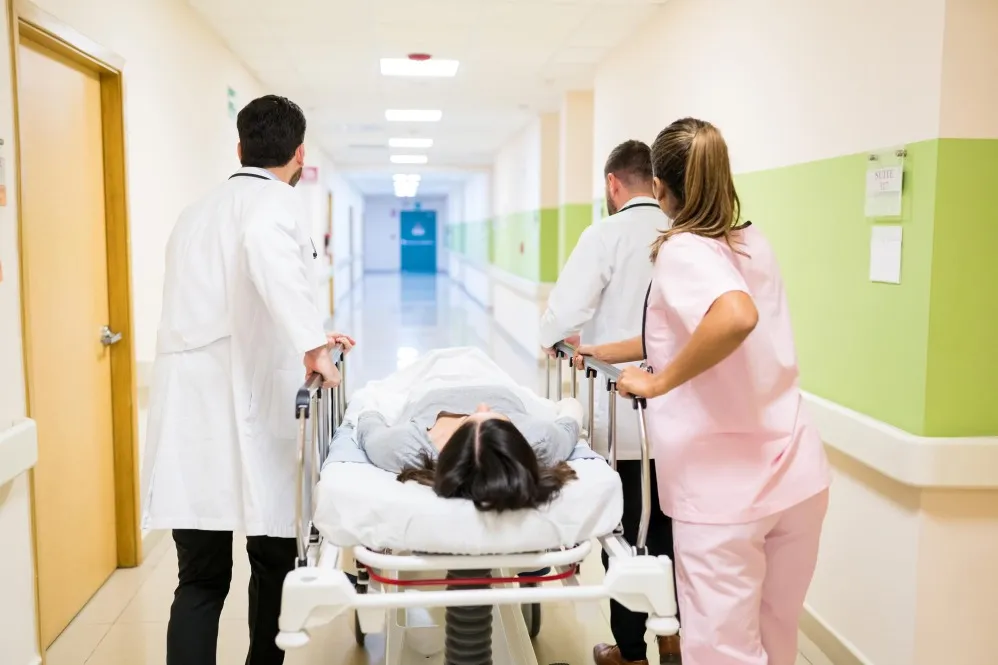
An ambulance should be used when moving the patient could worsen a suspected spine, pelvis or major limb injury.
What Trauma Assessment Involves
The initial priority is to identify immediate threats to life. The emergency team may assess the airway, breathing, circulation, neurological status and the patient’s full body for injuries.
Treatment may begin before every diagnosis is confirmed. Oxygen, bleeding control, intravenous access, immobilisation or urgent surgery may be needed depending on the findings.
After stabilisation, investigations can include:
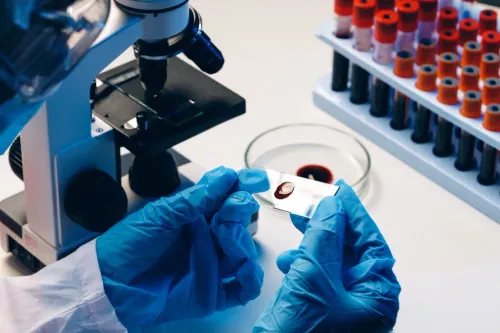
- Blood tests
- Digital X-rays
- Ultrasound
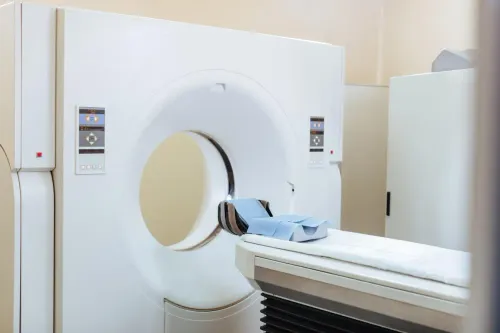
- CT scans
- Heart monitoring
- Repeated neurological observations
Some injuries become more apparent over time, which is why observation or repeat assessment may be advised.
Essential Readiness Indicators
A trauma facility should be able to move quickly from assessment to investigation and treatment. Important readiness indicators include:
- An accessible emergency department
- Trained emergency personnel
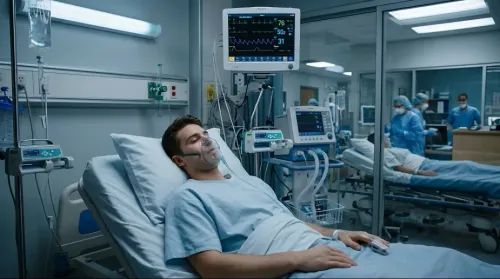
- Resuscitation equipment
- Cardiac monitors
- Ventilatory support
- Rapid laboratory testing
- X-ray and CT access
- Orthopaedic and surgical support
- Operation theatre capability
- ICU availability
- Blood-transfusion arrangements
- Clear transfer protocols
No single department can manage every major trauma case alone. Effective care may require coordination among emergency physicians, surgeons, orthopaedic specialists, anaesthesia professionals, radiology staff and critical-care teams.
Avoiding Harm Before Reaching Hospital
Bystanders can help by contacting emergency services, controlling visible bleeding with direct pressure and keeping the injured person still.
They should avoid:
- Giving food or drink
- Forcing a deformed limb into position
- Removing deeply embedded objects
- Moving someone with suspected neck or spine injury unnecessarily
- Giving sedating medicines
- Assuming a helmet can be removed without care
- Delaying transport to discuss payment or paperwork
If a motorcyclist is wearing a helmet, removal should generally be left to trained responders unless it is necessary to manage the airway.
Information Families Should Bring
When possible, relatives can provide:
- Time and mechanism of injury
- Loss-of-consciousness details
- Current medicines
- Blood-thinner use
- Allergies
- Existing illnesses
- Previous operations
- Identification and insurance documents
However, paperwork should never delay emergency stabilisation.
What Happens After Initial Treatment?
Trauma recovery may require surgery, wound care, rehabilitation and repeated follow-up. Before discharge, families should understand medication instructions, mobility restrictions and warning signs.
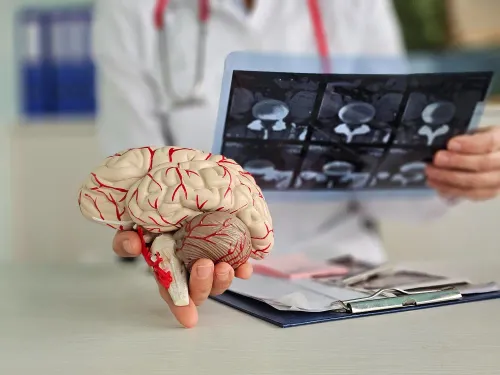
After a head injury, urgent reassessment may be needed for increasing sleepiness, repeated vomiting, confusion, seizures, weakness or worsening headache.
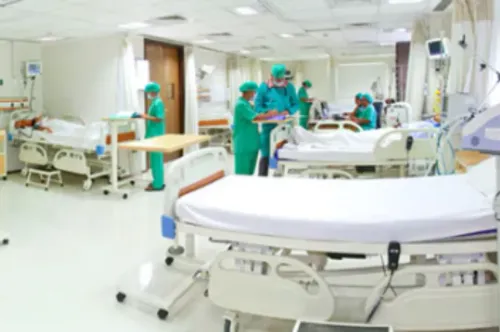
Shivam Multispeciality Hospital states that its accident and emergency unit includes monitoring, ventilator and portable X-ray support, with access to operating rooms and intensive care. It also lists orthopaedics, general surgery, neurosurgery, CT imaging and trauma-related services.
For residents of Kadamwak Wasti, a suitable trauma care hospital is one that can stabilise the patient, investigate hidden injuries and coordinate specialist treatment without avoidable delay.
Keywords