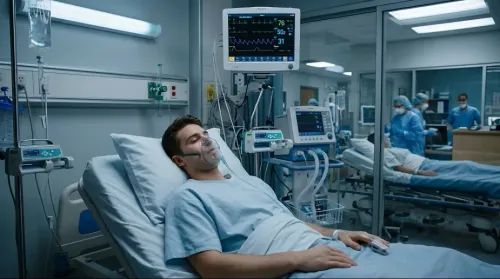
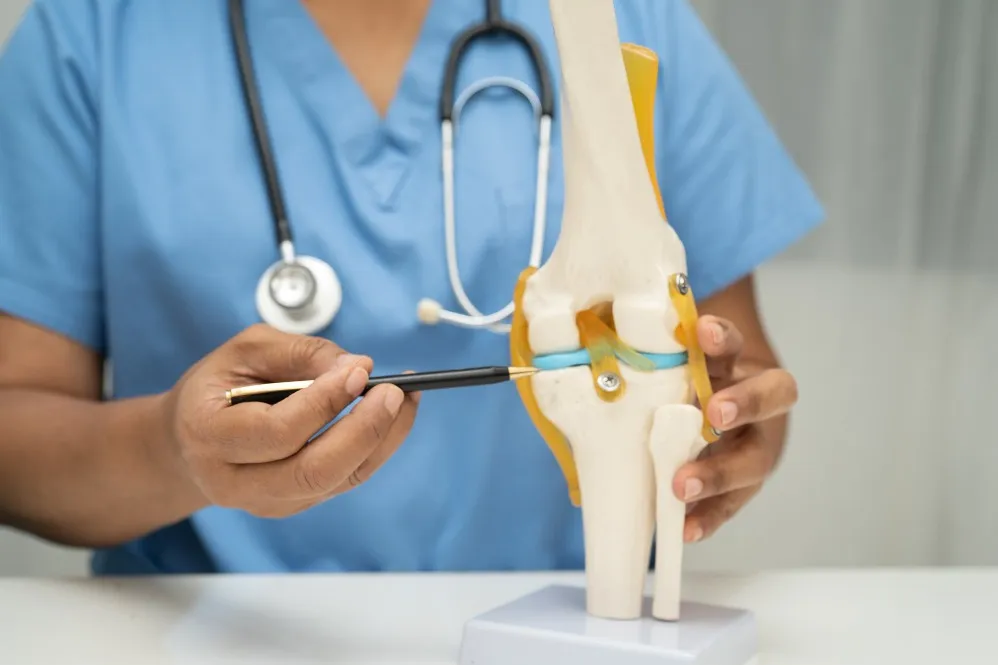
Bone, joint, muscle, and ligament problems can affect people at almost every stage of life. A young adult may develop a sports injury, a working professional may experience persistent back or neck pain, and an older person may find everyday activities increasingly difficult because of knee or hip problems. Knowing when symptoms require an Orthopaedics Hospital in Pune can help patients avoid unnecessarily delaying medical assessment.
Orthopaedic care is not limited to fractures or major surgery. It covers a broad range of conditions affecting the musculoskeletal system, including bones, joints, muscles, tendons, ligaments, and related structures.
Symptoms That Deserve Orthopaedic Assessment
Temporary soreness after unusual physical activity may settle with rest. Persistent or worsening symptoms, however, deserve closer attention.
Consider an orthopaedic consultation when you experience:
- Joint pain that continues or repeatedly returns
- Swelling around a knee, ankle, shoulder, or another joint
- Difficulty walking or climbing stairs
- Restricted joint movement
- Back or neck pain affecting routine activities
- Pain after a fall or sports injury
- Suspected fracture or dislocation
- Persistent stiffness, particularly after rest
- Weakness or reduced function in an arm or leg
- Difficulty bearing weight after an injury
Severe pain, visible deformity, an open injury, or inability to use the affected limb may require more immediate evaluation.
Diagnosis Comes Before Treatment
Two people describing knee pain may have completely different underlying problems. One may have a ligament injury, another may have age-related joint changes, while someone else may have pain arising from a different structure.
An orthopaedic assessment therefore usually begins with a history and physical examination. The doctor may ask when the symptoms began, whether an injury occurred, what movements worsen the problem, and how the condition affects daily activities.
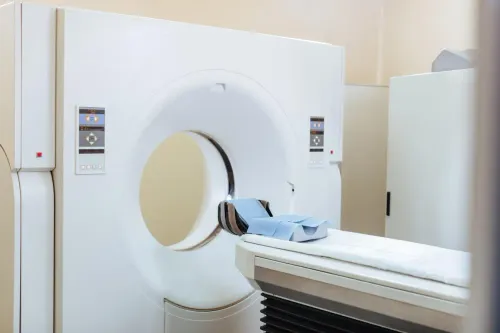
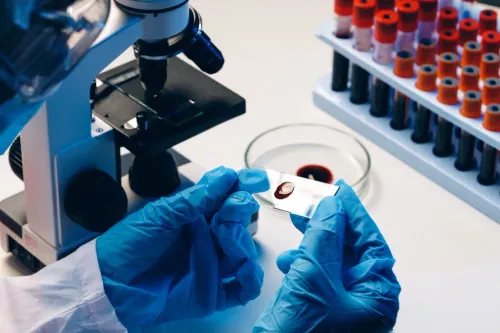
Depending on the findings, investigations such as X-rays, CT scans, blood tests, or other imaging may be considered.
Not Every Orthopaedic Problem Requires Surgery
A common misconception is that visiting an orthopaedic specialist automatically means undergoing an operation.
Many musculoskeletal conditions can initially be managed through appropriate medication, activity modification, rehabilitation, physiotherapy, supportive devices, or other conservative approaches. Surgery is considered when the diagnosis, severity of the condition, functional limitations, and expected benefit make it appropriate.
This is why early assessment can be useful. It creates an opportunity to understand the condition and available treatment pathways rather than simply tolerating recurring pain.
Orthopaedic Care After an Injury
Injury-related cases require particular attention because the visible severity of an injury does not always indicate what has happened internally.
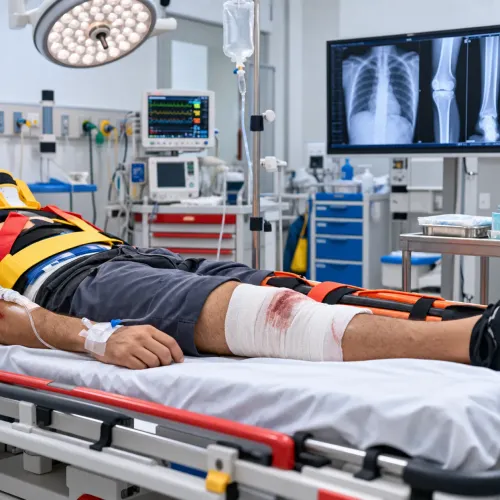
After a fall, road accident, workplace incident, or sports injury, assessment may determine whether there is a fracture, soft-tissue injury, joint instability, or another problem.
Patients should avoid repeatedly testing an injured limb when there is significant pain, swelling, deformity, or difficulty bearing weight.
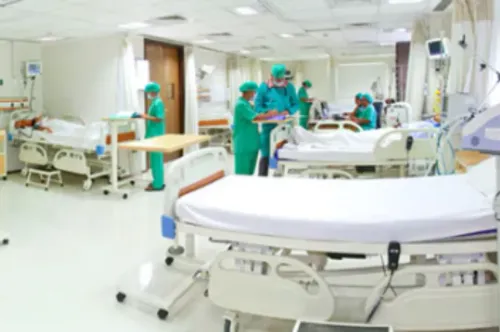
For residents of Pune and surrounding areas of Maharashtra, access to a multispeciality setting can also matter when an accident involves more than the musculoskeletal system.
Preparing for Your Consultation
Patients can make an orthopaedic appointment more productive by bringing previous X-rays, scans, prescriptions, surgery records, and a current medication list.
It is also useful to explain exactly what the problem prevents you from doing. Statements such as I cannot climb stairs without pain or my shoulder prevents me from lifting my arm overhead provide more useful functional information than simply describing the pain as severe.
Shivam Multispeciality Hospital provides access to orthopaedic assessment within a broader hospital setting in Pune. The appropriate next step depends on the diagnosis rather than the symptom alone.
Persistent pain should not simply become part of a person's routine. A structured assessment can clarify what is causing the problem, how serious it is, and whether conservative care, rehabilitation, further investigation, or a surgical opinion should be considered.
Keywords