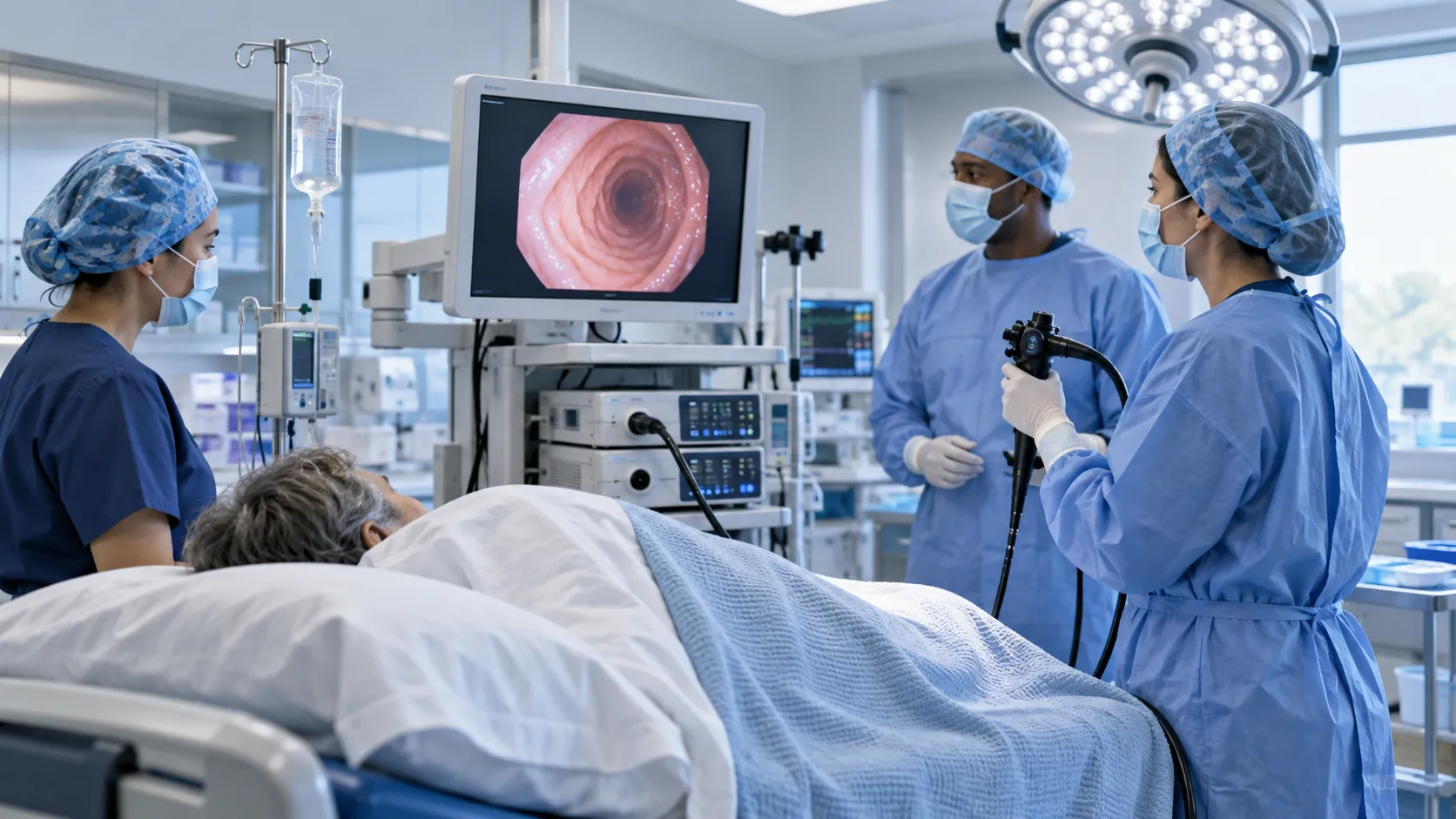
Endoscopy and colonoscopy allow doctors to examine parts of the digestive tract using a flexible instrument with a camera. These procedures may be recommended for persistent digestive symptoms, unexplained bleeding, swallowing difficulty, changes in bowel habits or further evaluation of an abnormal test.
For patients in Pune, understanding preparation, sedation and recovery can reduce uncertainty and improve the quality of the examination.
What Is the Difference?
Upper gastrointestinal endoscopy examines the food pipe, stomach and first part of the small intestine. It may be recommended for:
- Persistent upper abdominal pain
- Difficulty swallowing
- Recurrent vomiting
- Gastrointestinal bleeding
- Unexplained anaemia
- Persistent reflux symptoms
- Suspected ulcers
- Tissue sampling when necessary
Colonoscopy examines the large intestine and sometimes the final part of the small intestine. It may be used to evaluate:
- Blood in the stool
- Persistent bowel-habit changes
- Unexplained iron-deficiency anaemia
- Chronic diarrhoea
- Suspected inflammatory bowel disease
- Abnormal imaging
- Polyps
- Colorectal cancer risk
The recommendation depends on symptoms, age, family history and previous test results.
Why Preparation Is Important
For upper endoscopy, patients are generally asked not to eat or drink for a specified period. This helps the doctor see clearly and reduces the risk of stomach contents entering the airway.
Colonoscopy requires bowel preparation to clear stool from the colon. Poor preparation can hide abnormalities, prolong the procedure or make repeat testing necessary.
Patients should follow the written instructions exactly. They should contact the hospital if vomiting prevents them from completing the preparation or if they are uncertain about permitted fluids.
Medicines and Health Conditions
Before the procedure, patients should provide a complete list of medicines and disclose:
- Blood-thinner use
- Diabetes treatment
- Heart or lung disease
- Kidney disease
- Pregnancy
- Allergies
- Sleep apnoea
- Previous sedation problems
- Implanted medical devices
Medication adjustments should only be made under medical guidance. This is particularly important for anticoagulants, antiplatelet medicines and insulin.
Questions to Ask the Provider
Before booking endoscopy and colonoscopy services, ask:
- Why is the procedure being recommended?
- Will sedation be used?
- Who will perform the procedure?
- Might a biopsy or polyp removal be required?
- How should regular medicines be managed?
- What bowel preparation is prescribed?
- Is an escort necessary?
- When will results be explained?
- How are biopsy reports communicated?
- Which symptoms after the procedure require urgent help?
Consent should include a clear explanation of expected benefits, alternatives and significant risks.
Sedation and Going Home
Some procedures are performed with throat-numbing medication, sedation or anaesthesia, depending on the clinical situation and local practice. If sedation is used, patients generally need a responsible adult to accompany them home.
They should not drive, operate machinery, drink alcohol or make important decisions for the period advised by the medical team.
Mild bloating or throat discomfort can occur after the procedure. Patients should follow dietary and medication instructions before resuming their routine.
Warning Signs After the Procedure
Patients should seek prompt medical advice for:
- Severe or increasing abdominal pain
- Persistent vomiting
- Fever
- Breathing difficulty
- Black stools or significant rectal bleeding
- Dizziness or fainting
- Difficulty swallowing that worsens
- Chest pain
A small amount of bleeding may occasionally occur after a biopsy or polyp removal, but the medical team should explain what is expected and when it becomes concerning.
Selecting an Endoscopy Facility
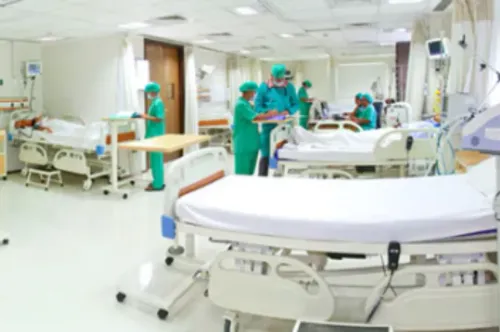
Patients should consider whether the facility provides appropriate infection control, procedure monitoring, trained staff, recovery observation, emergency support and access to pathology when tissue samples are taken.
Shivam Multispeciality Hospital lists gastroenterology, general surgery, gastroscopy, colonoscopy, pathology, radiology, emergency and ICU services. This combination may support evaluation before the procedure and care if additional medical attention becomes necessary.
Endoscopy and colonoscopy can provide important diagnostic information, but their usefulness depends on appropriate selection, correct preparation and responsible follow-up. Patients should ensure they understand every instruction before the day of the procedure.
Keywords